How to Track Gym Workouts Properly (and Keep It Free)
The single biggest difference between people who progress in the gym and people who stall isn't the program — it's whether they know what they did last session. Tracking turns "I think I benched this last week?" into a plan: add a rep, add 2.5 kg, beat the logbook. Here's what's actually worth logging, what research says about rest and progression, and how to set up tracking you'll still be doing in six months — without paying for it.
Why tracking works: progressive overload
Muscles adapt to doing slightly more than last time — more weight, more reps, or more sets. That's progressive overload, and it's the engine of every effective program. The catch: "slightly more than last time" requires knowing last time precisely. Across 15–25 sets per session, nobody's memory does that. A log — app or notebook — is what makes overload systematic instead of accidental. The same self-monitoring effect shows up in nutrition research: consistent tracking is repeatedly linked with better outcomes, because what gets measured gets managed.
What to log (and what to skip)
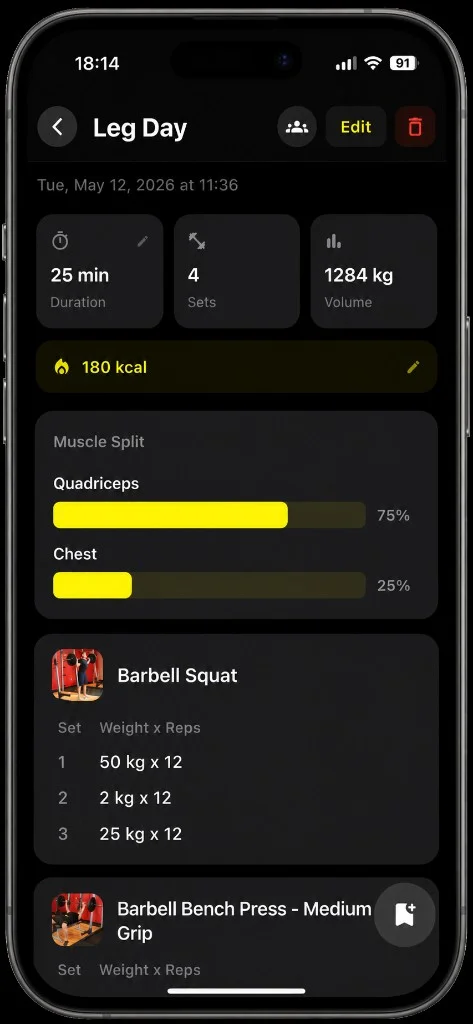
- Must log: exercise, weight, reps — for every working set.
- Worth logging: rest time, warm-up sets, and a one-line note ("felt heavy", "grip failed first").
- For cardio: distance and duration.
- Skip: logging every plate change and micro-detail. If tracking takes longer than resting, you'll quit tracking. Speed is the feature.
Rest between sets: what the research says
A frequently cited study by Schoenfeld and colleagues (2016) compared 1-minute vs 3-minute rests in trained lifters: the 3-minute group gained more strength and more muscle. Later reviews land in the same place: short rests compromise the next set's quality.
Practical rule: 2–3+ minutes after heavy compound lifts (squat, bench, deadlift, rows), 60–90 seconds for lighter isolation work. This is exactly why a built-in rest timer beats staring at the clock — it keeps rests honest in both directions: no 45-second panic sets, no 6-minute phone scrolls.
Structuring your week (the short version)
- 2–3 days available: full-body each session.
- 4 days: upper/lower split.
- 5–6 days: push/pull/legs.
- Whatever the split: hit each muscle ~2× per week, and repeat the same core lifts long enough to see the numbers climb. Program-hopping is the enemy of overload.
What a workout tracker needs (free or not)
Judge any tracking setup — app or notebook — against this checklist:
- Unlimited set/rep/weight logging — routine caps and locked history defeat the whole point.
- A built-in rest timer — the 2–3 minute rule only works if something enforces it.
- Editable history — you'll mistype a weight; fixing it should be trivial.
- Fast entry — logging a set should take less time than racking the bar.
- Nutrition in the same app — body composition is decided by training and intake together, so one app seeing both means your calorie target can react to what you actually lifted.
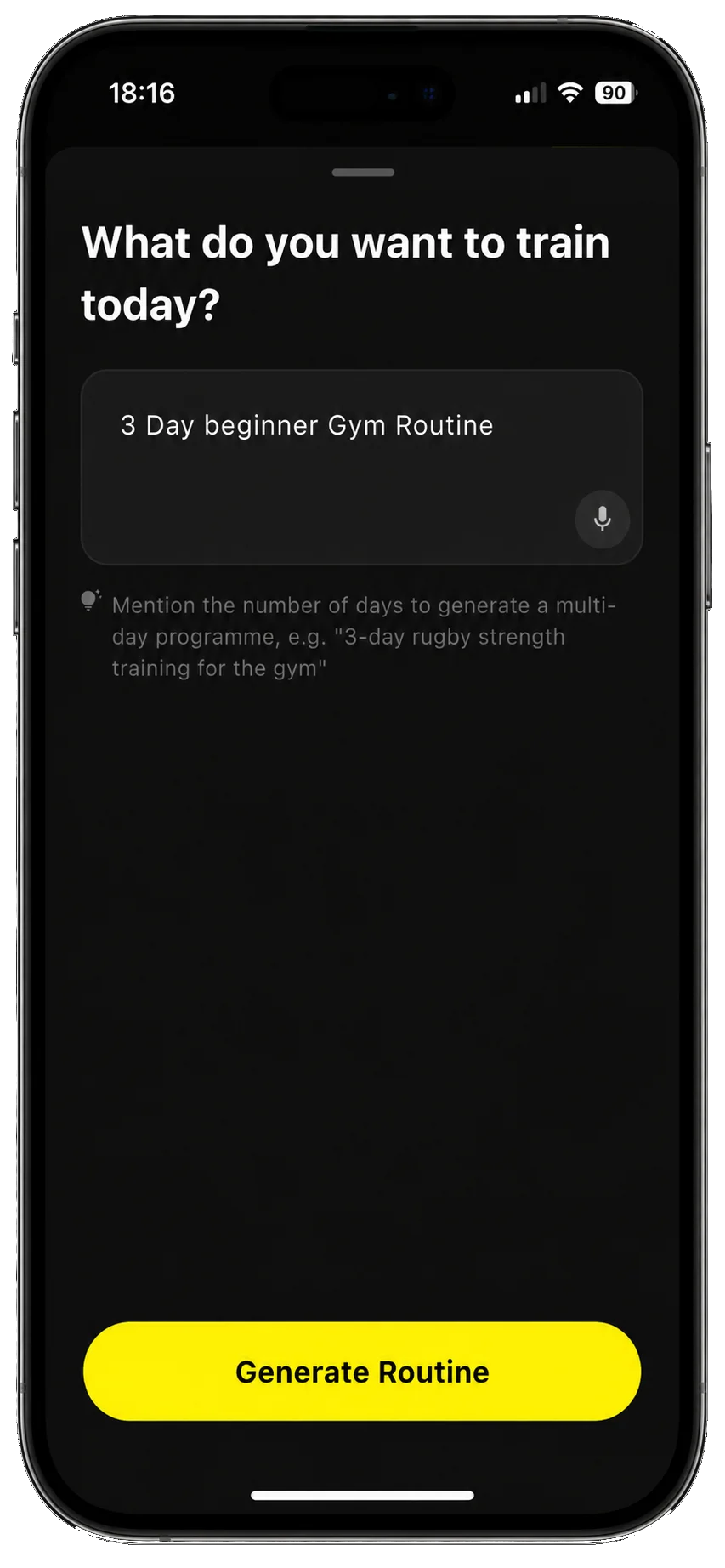
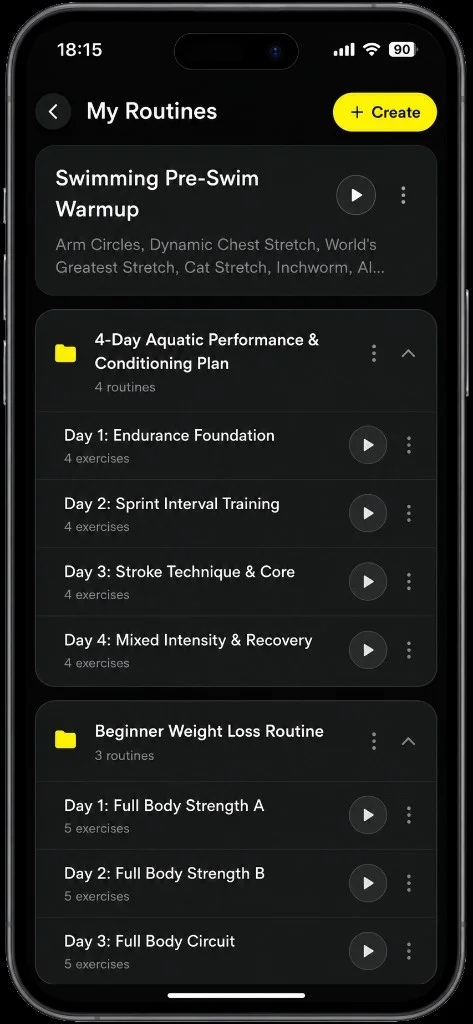
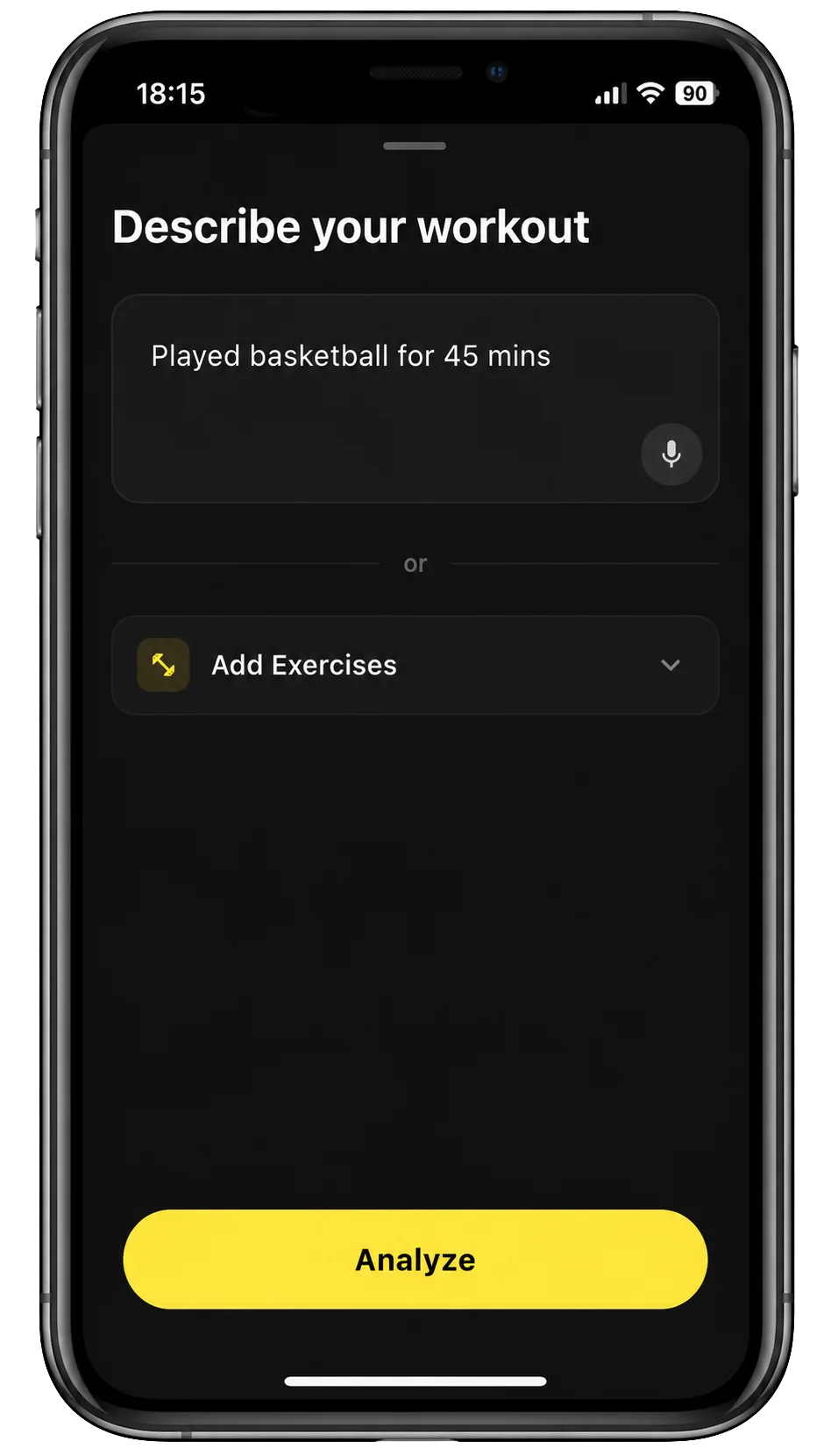
That last point is why we built workout tracking directly into Cal Plus rather than making a separate gym app: the whole checklist is covered free (ad-supported), it can log a workout from a plain-text description ("bench 4×8 at 60kg, incline curls 3×12"), and it generates routines from your goal and equipment.
Frequently asked questions
What should I log during a workout?
Exercise, weight, and reps per working set as the minimum; rest time and short notes if you want more. That's enough to apply progressive overload.
How long should I rest between sets?
Research favours 2–3+ minutes on heavy compounds (a 2016 trial found 3-minute rests beat 1-minute for strength and muscle); 60–90 seconds is fine for isolation work.
Do I really need a tracking app?
You need a record of some kind. Apps add rest timers, history, and templates that paper can't — but the notebook that gets used beats the app that doesn't.
What should a free gym app include?
Unlimited set/rep/weight logging, a rest timer, editable history, and ideally nutrition in the same app. Cal Plus covers the full checklist free (ad-supported).
About this guide: written by the team behind Cal Plus, a free ad-supported workout and calorie tracker (iOS · Android). The training advice above is standard sports-science guidance and works with any log you choose.
Sources: Schoenfeld et al. 2016: Longer inter-set rest periods enhance strength and hypertrophy · Frontiers meta-analysis: inter-set rest and hypertrophy